Discover the Playful Spirit of the Duck Font
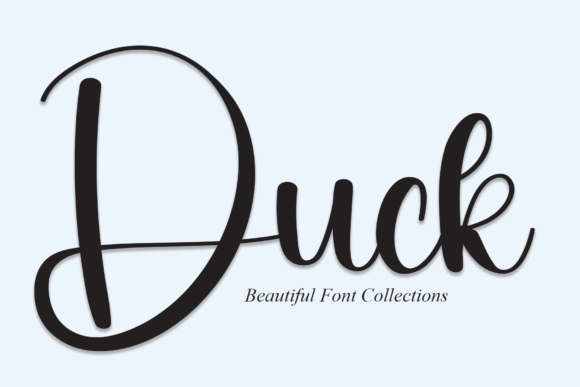
There's a certain charm in a design that feels personal, warm, and full of life, and the right typeface is often the secret ingredient. For projects that call for a touch of whimsy and handwritten authenticity, the Duck font emerges as a delightful contender. This fun and joyful handwritten script font is designed to inject energy and approachability into any creative work, making it a versatile asset for both digital and print projects.
A Typeface with Personality and Purpose
Duck is more than just a collection of letters; it's a carefully crafted script font that mimics the organic flow of natural handwriting. Its characters feature smooth, connected strokes and a playful bounce that conveys happiness and creativity. Unlike rigid sans serif fonts or formal serif fonts, Duck brings an immediate human touch to your text. This makes it an excellent choice for projects where you want to break down barriers and communicate on a more personal level with your audience.
Where This Handwritten Font Truly Shines
The versatility of Duck allows it to adapt to a wide range of creative applications. Its joyful aesthetic makes it particularly effective for designs intended to engage and delight. Consider using it for:
- Branding & Logo Design: Perfect for businesses with a friendly, artisanal, or youthful brand identity, such as bakeries, children's boutiques, or lifestyle blogs.
- Packaging Design: Adds a homemade, authentic feel to product labels, especially for food, cosmetics, or stationery.
- Social Media Graphics: Creates eye-catching quotes, announcements, and stories that feel approachable and shareable.
- Event Invitations & Greeting Cards: Ideal for weddings, baby showers, birthday parties, and thank-you notes where a personal touch is paramount.
- Editorial Design & Presentations: Can be used for pull quotes, chapter titles, or slide headers to add visual interest and break up dense text.
Whether you're crafting digital designs or physical merchandise, this creative font helps your message feel more relatable and memorable.
Practical Tips for Effective Use
While Duck is incredibly expressive, using it effectively requires a thoughtful approach. As a display font, it works best for headlines, short phrases, and accent text rather than lengthy body copy, where readability at smaller sizes can become a concern. To maintain a professional look, pair it with a clean, simple modern typography choice for supporting text—like a neutral sans serif for descriptions or details.
Pay attention to letter spacing and line height. Handwritten fonts like Duck often benefit from slightly increased tracking to prevent characters from feeling cramped. Always test how the font scales for your specific application, ensuring it remains legible on a mobile screen and impactful on a printed poster.
Integrating Duck into Your Design Workflow
Choosing a premium font like Duck is an investment in your project's visual language. Before downloading, consider the licensing to ensure it covers your intended use, whether for personal projects or commercial font applications. A well-selected typeface elevates the perceived quality of your work, contributing to a cohesive and polished final product.
Think about the emotion you wish to evoke. The inherent joy in Duck's design can strengthen your brand identity if it aligns with your core values. Use it consistently across your design assets to build recognition, but remember to use it strategically to avoid overwhelming your audience.
Elevating Your Creative Toolkit
In a digital landscape saturated with generic text, a font with as much character as Duck can be a powerful differentiator. It transforms simple words into an experience, making your web design feel warmer, your poster design more vibrant, and your digital products more engaging. By understanding its strengths and applying it with intention, you can leverage this handwritten font to create designs that not only look beautiful but also connect authentically with viewers, proving that great typography is indeed a cornerstone of effective communication.